Hooks Before Hype: The Winter Wedding Cloakroom Audit I Wish I’d Run Sooner
There is a moment at every winter wedding when the romance meets the radiators. Guests arrive glowing from the car, peel off a coat, a scarf, a second scarf and possibly a blanket, then stand in the entrance hall holding all of it like a wet laundry puzzle. If nobody has planned for that moment, the drinks reception develops a coat mountain in the corner and a queue that nobody can explain.
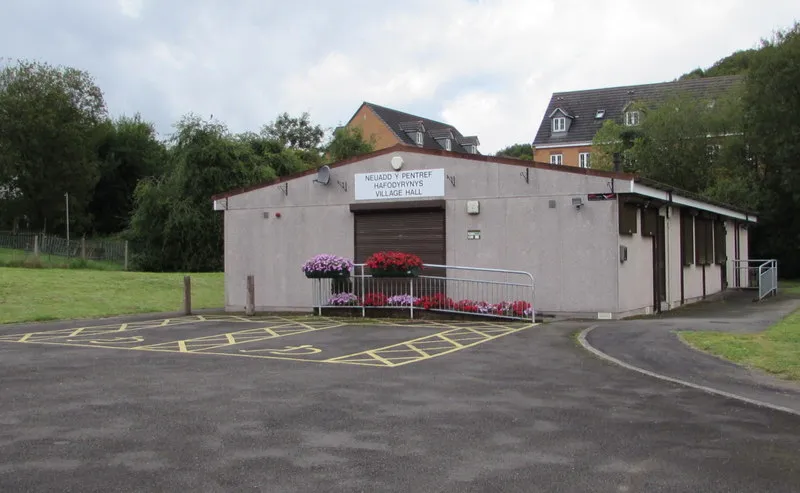
I’ve watched this happen at twelve cold-weather weddings over the past few winters — hotels, village halls, a marquee with a very optimistic heater, and one barn where the “cloakroom” was a curtained-off corner beside the loos. The lessons were consistent. A cloakroom is not a nice extra. It is reception infrastructure, and it needs counting, staffing and a plan for the 7pm rush.
Start with the coat count, not the coat rack
The mistake I see most often is buying or booking cloakroom capacity by guest number. Guests are not coats. In November to February, assume roughly three-quarters of your day guests will hand something in — a heavy coat, a padded jacket, a wool wrap, a child’s coat, or a bag that comes with a coat. For 100 guests, that is about 75 items before you add the “just in case” layers.
My working formula for a UK winter wedding is:
- Coats to plan for: day guests × 0.75, then add 10–15% buffer. For 100 guests, plan for 85–90 hanging items.
- Rail space: allow 8–10 adult winter coats per metre of rail. Bulky puffers and wool coats eat more room, so use 8 if you’re unsure. That means 85 coats needs roughly 10–11 metres of rail — or a mix of rails and hooks.
- Hooks: one hook per three coats for scarves, bags and small items, plus a separate labelled box for gloves and hats. Hooks alone are not a cloakroom; they are a promise to lose things.
That maths sounds fussy until you see a single 2-metre rail asked to hold 90 coats. It becomes a leaning tower by 6pm, and the attendant spends the rest of the night rebuilding it instead of finding Aunt Susan’s wrap.
What UK venues actually charge for attendant service
Costs vary wildly, so treat these as observed ranges from my own spreadsheets, not a national price list. Village halls often include a cloakroom space but no staff; you either staff it yourself or pay a local hire company. Hotels and dedicated wedding venues frequently quote an attendant service separately, sometimes as a flat fee and sometimes per hour.
In 2026, the quotes I’ve seen for a four-hour attendant sit somewhere between £150 and £450, with hotels at the upper end and simple hall setups at the lower end. Some venues include it in the package; others add VAT, a set-up fee, or a minimum staff call. The £40 DIY rail can beat a £400 cloakroom, but only if you have the right room, the right hangers and someone sensible in charge.
Ask specifically:
- Is the attendant fee inclusive of VAT, set-up and clear-down?
- How many attendants for 100 guests, and what is the queue plan at peak arrival?
- Is the cloakroom insured for lost or damaged items, or is that on us?
- What time does it close, and who handles late collections?
- Can we label items, or does the venue use its own ticket system?
- Is there a drying area for wet coats, or will everything stew in a cupboard?
The £40 fix that beat a £400 cloakroom
One of the calmest winter weddings I’ve attended was in a village hall with no formal cloakroom. The couple bought two second-hand commercial clothes rails for £40, added 120 sturdy wooden hangers, printed simple numbered tickets, and put an usher’s teenage cousin on the door with a clipboard. It was not glamorous. It was brilliant. Guests handed in coats in under a minute, the rails were spaced along a wall rather than jammed into a corridor, and the collection queue at 11pm moved because the tickets were numbered by surname initial.
The £400 cloakroom I remember less fondly was a hotel with one attendant and a single rail behind a desk. It looked smarter. It also created a 20-minute queue at 7.30pm because the attendant was also handing out welcome drinks tokens. The lesson is not “DIY always wins”. It is that capacity and staffing beat polish every time.
Design the queue before you design the room
A cloakroom needs two flows: drop-off and collection. If both happen at the same desk, you get a scrum. At arrival, ushers can take coats and hand out tickets while guests move straight to drinks. At collection, separate the exit route or open a second rail. Signage helps more than you’d think: “Coats here — bags and scarves to your left” is unglamorous but effective.
Also think about the cold guests who never hand anything in. Some people keep coats because they’re worried about leaving them, or because the ceremony room is draughty. Have a few hooks or chairs near the ceremony entrance, and ask the venue about draught excluders, heater placement and whether the doors will be propped open. A cloakroom cannot fix a cold room.
The questions I’d ask before signing
Before you commit to a venue’s cloakroom, ask for a photo of the actual space, not the glossy brochure shot. Ask how many items it held at the last winter wedding. Ask whether prams, children’s coats and bulky baby bags are allowed. Ask what happens to wet items and lost property. And ask who is responsible for security — because a curtain and a smile is not a system.
If the answers are vague, budget for your own rails, hangers and labels. It is one of the cheapest upgrades you can make to a winter wedding, and one of the few that guests will notice for the right reason: they were warm, they were welcomed, and nobody spent twenty minutes looking for a glove in a pile of puffa jackets.