The Blink Test: Power Planning for Village Halls and Marquee Weddings
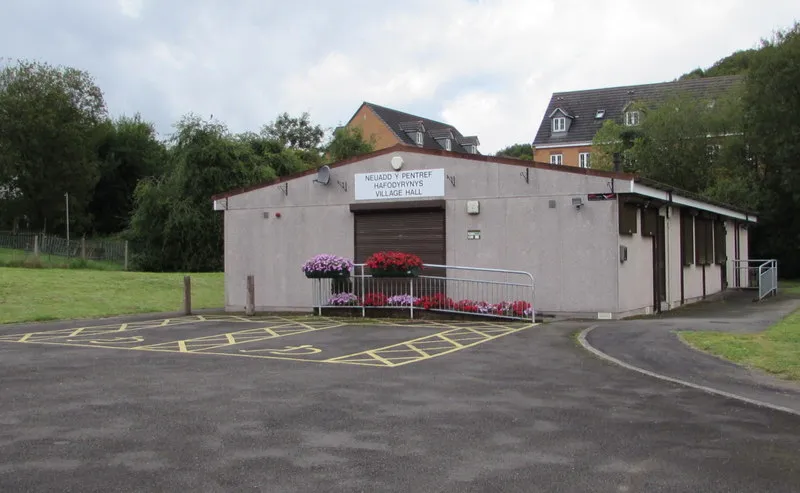
Photo: Jaggery, CC BY-SA 2.0, via Wikimedia Commons
There is a particular kind of silence that follows a room going dark. It is not the romantic, candlelit sort. It is the sound of 120 guests saying ohhh at the same time, followed by someone near the kitchen shouting that the fridge has stopped. I have stood in a village hall in Hampshire while a band tried to restart a lighting rig, and I have watched a marquee in Worcestershire turn into a guessing game about which extension lead had given up. None of it was dramatic in the way wedding films suggest. It was just deeply annoying, and entirely preventable.
Power is one of those wedding subjects that feels boring until it ruins the first dance. So treat this as the unglamorous checklist that keeps the glamorous bits going.
Start with a power budget, not a plug count
Most venue conversations about electricity go something like this: can the band plug in? Yes. Brilliant. Done. That is not a power plan. That is hope with a socket.
A proper power budget lists every item that will draw current at the same time and asks what happens when they all do. The band and their backline. The DJ booth. Uplighters. A photo booth. The catering fridge. The coffee machine. The urn for late-night tea. Fairy lights. A heater in the marquee. Someone’s phone-charging station that seemed like a nice idea at the time.
Ask the venue for the total available supply and where the circuits are. In a village hall, ask which sockets are on which circuit, and whether the kitchen is separate from the stage area. In a marquee, ask what the generator is rated for and who is responsible for refuelling it. If the answer is a vague shrug, that is your cue to bring in someone who knows.
The 9:40 problem
The tricky moment is rarely the start of the evening. It is the overlap. The band is on at 8:30. The caterers are still finishing dessert and running the fridges. The urn goes on for the evening tea run. The lighting rig is doing its thing. Then someone turns on a heater because the marquee flaps are doing that thing they do in October. That is when the room blinks.
You do not need to understand amps and watts to ask a useful question. Ask your suppliers what they need, in plain English, and then ask the venue whether that demand can be met at the same time as everything else. If the band needs two circuits and the caterers need one, say so. Put it in an email. If nobody replies with a clear yes, assume it is a maybe, and plan around it.
PAT testing is not a personality trait
Portable appliance testing, or PAT testing, is the sort of phrase that makes people glaze over. It should not. Most venues and reputable suppliers will expect equipment to be tested, and many insurance policies ask for it. In 2026, it is reasonable to ask for a copy of the certificate or at least a clear statement that it has been done.
This is not about being difficult. It is about not being the couple whose band turns up with a lead that looks like it has been used to tow a caravan. Ask the question before the deposit, not on the morning of the wedding.
Extension leads are not all created equal
There is a temptation to solve every power problem with a daisy chain of extension leads. Please do not. A long, thin lead running across a dance floor is a trip hazard and a fire risk. A cheap reel that stays coiled while in use can heat up. A single socket carrying six things is not a plan; it is a queue for a disaster.
Ask the venue whether they have spare leads and cable ramps, and whether they are happy for you to use them. If you are hiring a marquee, ask who is supplying the distribution board and whether it is included in the price. If the answer is you will need to sort it, budget for an electrician rather than a heroic friend with a toolbox.
Backup lighting should be boring
Your backup lighting does not need to be beautiful. It needs to be findable. A couple of battery-powered lamps behind the bar, a torch in the kitchen drawer, and a clear plan for who knows where the fuse box is. That is often enough to stop a two-minute power cut becoming a twenty-minute mood shift.
Ask the venue where the fuse box is and who is allowed to touch it. In a village hall, it may be the caretaker. In a marquee, it may be the generator hire company. Write the name and number down. Put it in the supplier schedule. Tell the band and the caterers. A wedding is not the time to discover that the only person with the key has gone home.
Agree a cut-off plan
Late-night power is where good intentions go to die. The urn, the fridge, the band’s encore and the cleaning crew all want a piece of the same supply. Decide in advance what gets switched off and when. If the caterers need the fridge running until midnight, say so. If the band is finishing at 11:30, ask whether their kit can be powered down safely while the venue is still clearing up. If the venue has a noise curfew, check whether that also affects the generator.
This is not about being a control freak. It is about giving the people running the night a simple sequence to follow. A wedding that ends with the lights still on and the tea urn still warm is a quiet triumph.
The questions I would send this week
What is the total power supply, and what is already using it? Which sockets are on which circuit? Who is responsible for the generator, if there is one? Can I see PAT testing certificates for the band and any hired lighting? Are cable ramps provided? Where is the fuse box, and who has access? What is the plan if the power trips? And what time does each supplier expect to switch off?
None of these questions are romantic. But they are the ones that keep the romantic bits lit. Ask them early, put the answers in writing, and give yourself one less thing to worry about when the room blinks.