The Ice Never Makes the Mood Board: An Honest Ledger of a Bring-Your-Own Village Hall Bar

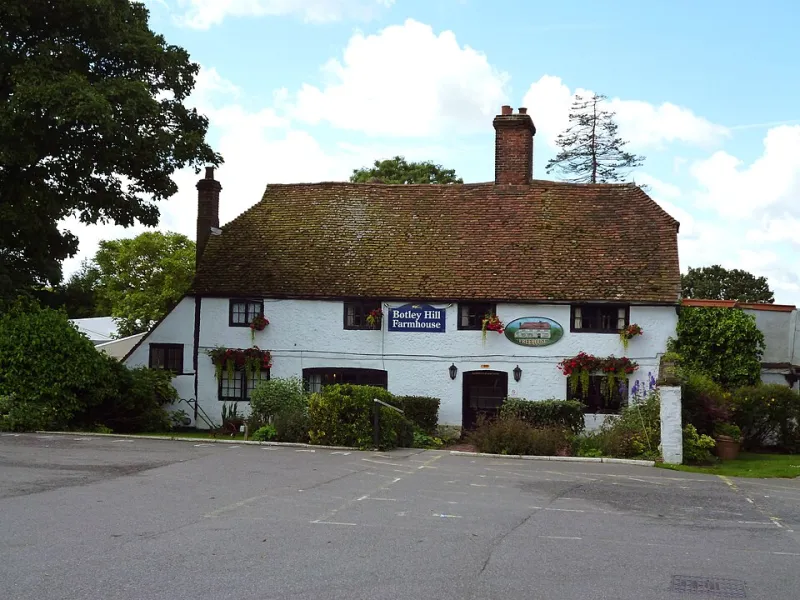
Photo: Wendy North, CC BY-SA 2.0, via Wikimedia Commons
Dry hire has a wonderful ring to it. No minimum spend. No £7.50 house red. No bar manager quietly steering your guests towards the premium list. You buy the booze yourself, you bring it in, everyone drinks for half the price.
That's the pitch. I've watched it work and I've watched it go badly, and the difference is almost never the wine. It's the ninety small costs that don't appear in anyone's planning reel.
Wedding A: the package bar
Start with the venue that does everything. A barn with a licence, a permanent bar and staff.
Say 90 day guests and 120 for the evening. The contract gives a minimum spend of £5,000 on drinks, or a package at £28 per head covering the reception prosecco, half a bottle of wine per person with the meal, and the toast. They swallow the rest.
The final bar bill for that wedding landed near £2,900 once the evening drinks and the extra round of fizz were added. What that money bought, without a single extra email:
- Two bar staff all day and three in the evening
- All glassware, including wine, champagne, tumblers, and replacements for the ones that smash
- Ice, in industrial quantities
- Fridges and a cold store
- The premises licence, insurance and cleanup
- A card machine that works
- Someone else's problem at 11pm
That's the benchmark. £2,900, and the couple were guests at their own party.
Wedding B: the village hall, bring your own
Same numbers. A parish hall at £900 dry hire, with a kitchen, a serving hatch and a caretaker who is very clear about the bins.
Here's what it actually cost, from a real spreadsheet I've since kept:
- Hall hire: £900
- Temporary Event Notice: £21
- Corkage charged by the hall: £3 per bottle across roughly 80 bottles: £240
- Glassware hire, 240 glasses at the mixed rate, plus delivery: £156
- Breakage and loss waiver: £45
- Ice, nine bags including the delivery: £63
- Chiller trailer for the evening: £165
- Two bar staff for eight hours at £17 an hour, cash in hand: £272
- Booze from the cash and carry: £1,410
- Soft drinks, mixers and a decent alcohol-free range: £185
- Leftover stock that nobody drank: roughly £140 of it, now in a spare room
The number that came out the other end was about £3,100.
Where the difference went
You'll notice the BYO wedding didn't save money. It spent slightly more, and it spent it in a way that required three separate car journeys and a spreadsheet shared with four people.
That's the pattern I keep seeing. The headline saving on the booze is real — £1,410 against £2,900 looks enormous — but the booze isn't the bar. The bar is logistics, and logistics is precisely what a package venue has already bought in bulk.
A rough rule of thumb for 2026: on 90 guests, a well-run BYO setup saves somewhere between £400 and £900 compared with a package bar. Occasionally more, if you buy very cleverly and your guests drink modestly. It almost never saves the £2,000 the internet promises, because the internet never prices the ice.
The costs nobody puts on the list
- The second trip. You will forget the tonic. You will forget the tonic at 4pm on the Friday.
- The washing up. Glasses go back dirty, and the hall wants them back clean.
- The float. Someone needs cash for the taxi, the raffle, the extra staff tip.
- The card machine problem. Village halls are often cash-only, which means a wedding where nobody can buy a round after 6pm unless you've thought about it.
- The licence condition. Plenty of halls allow alcohol but not amplified music after a certain hour, and the two are usually in the same paragraph of the terms.
- The leftovers. Twenty bottles of beer, six of prosecco and a crate of something awful that was on offer. Not the end of the world, but not free either.
- Your time. Two days of shopping, one evening of labelling and a morning of shifting crates. No supplier invoice will ever show that line.
When BYO genuinely wins
The honest version is that it wins under specific conditions:
- You have a person who enjoys this. Not a volunteer. A person who loves a spreadsheet and will chase the glassware return themselves.
- The hall has a real kitchen and a cold store, not just a sink and a kettle.
- Your guest list drinks beer, wine and gin and tonics rather than cocktails.
- You can buy through a trade account or a cash and carry with a proper returns policy on unopened cases.
- You're comfortable with roughly 90 minutes of your Friday being spent on logistics you didn't plan for.
If any two of those are missing, the package bar is not the lazy option. It's the cheaper option once you count everything, including your own weekend.
The verdict
Dry hire isn't an illusion, but the savings are smaller and stranger than the planning blogs suggest. Buy the booze by all means — just price the glassware, the ice, the staff and the second car trip before you decide the deal is done. If the maths still works, it's a lovely way to run a bar. If it only works because you left four lines off the spreadsheet, you'll find them in the last week of August.