The Room Block Blues: How to House Wedding Guests When the Village Has One Pub and No Taxis
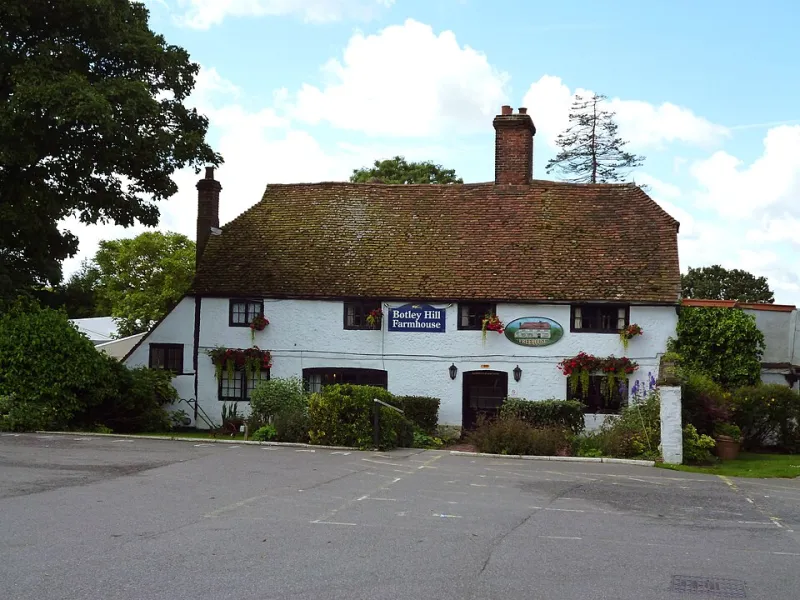
Photo: Dr Neil Clifton , CC BY-SA 2.0, via Wikimedia Commons
Rural venues are lovely in photographs. Then the band finishes at 11.30pm, the lane has no streetlights, and forty guests are squinting at a taxi app that hasn’t loaded since lunchtime. Guest accommodation is the unglamorous bit of planning that decides whether your wedding ends with a coach full of singing cousins or a rescue mission involving the bride’s dad and two torch apps.
Book the room block before you fall in love with the venue
When you view a rural venue in 2026, ask for the accommodation list before you pay a deposit. Not after. You need to know how many rooms the venue can hold, how long they’ll hold them, what deposit is required, and what happens to unbooked rooms. ‘We can recommend some local B&Bs’ is not a room block. A room block is a written agreement with a release date.
Some hotels want a minimum spend or a deposit for the block; some small B&Bs won’t hold rooms at all. Holiday cottages often want a full week in summer, which is useless for a Saturday wedding. Ask the venue for their own list of tried-and-tested places, then check them yourself. Build a simple map: venue, nearest town, nearest station, nearest pub with rooms. If the nearest Travelodge is twelve miles away down a single-track lane, you need to know that before your save-the-dates go out.
Fairness: don’t let the loudest cousin take the suite
Room blocks fill fast, and the people who shout first are rarely the people who most need a bed. Set your criteria before you publish anything: immediate family, wedding party, elderly guests, anyone travelling from abroad, and anyone with mobility needs. Then give everyone a booking code and a deadline. ‘First come, first served’ sounds fair until your gran is in a Travelodge eight miles away because a second cousin booked the on-site suite in October.
Offer a range of price points. On-site rooms are convenient but often the most expensive; the local pub may be cheaper and livelier; a Premier Inn or Travelodge on the bypass is boring but reliable; a campsite or glamping pod can work for younger guests who actually enjoy that sort of thing. Put the options on your wedding website with prices, distance and whether breakfast is included. If the venue has only six rooms, say so. Don’t let guests assume there are forty.
When a shuttle bus beats taxis
A shuttle bus makes sense when the venue is more than fifteen or twenty minutes from the accommodation, the lanes are narrow, local taxis are scarce, and you’ve got more than about thirty guests needing a lift. It also makes sense if the party finishes late and you don’t want people driving on unlit roads. It rarely makes sense for twelve guests who are all staying in different directions.
Get quotes for a coach and for two smaller minibuses. Ask about driver hours, waiting time, and the overtime rate. A 53-seat coach that leaves at 10.30pm is not a shuttle if the band is still playing at midnight. Decide whether you’re paying for the bus or asking guests to contribute — and be honest about it. If guests are paying, make it easy: a link, a deadline, a pickup point. If you’re subsidising it, budget for it properly.
Tell guests the pickup times in advance and put them on the website. ‘Shuttle from the Premier Inn at 2pm and 2.30pm; return at 11pm and 11.45pm’ is useful. ‘Shuttle available’ is not. One couple hired a minibus that did three runs, but nobody knew the last run was at 10.15pm. Cue twenty people standing in a field at midnight, ringing the driver.
The taxi trap
If you’re not doing a shuttle, ring the local taxi firms yourself. Not Uber. Not the app you use in London. Rural taxi companies are small, and they cannot magic twenty cars out of nowhere on a Saturday night. Ask them to pre-book slots, give guests a code or a phone number, and put a sign in the loos with the numbers. Check mobile signal at the venue: if it’s patchy, guests can’t book an Uber anyway.
One couple printed taxi cards and left them on the tables. Another asked the venue to book cars for anyone who needed one. The couples who did nothing spent the first hour of their honeymoon answering texts about lifts.
What to tell guests before they book
Be boringly specific. ‘The venue is rural. There is no mobile signal on parts of the lane. We’ve reserved rooms at the White Hart until 30 April 2026 from £95 including breakfast. The last shuttle leaves at 11.45pm. If you’re driving, please car-share. The nearest station is [station], twenty minutes by car.’ That paragraph prevents more problems than any welcome sign.
Add accessibility notes: gravel paths, stairs, no lift, uneven courtyard. Guests with mobility needs should be told which option is closest and flattest. Don’t make them ask.
The hidden costs couples discover too late
Room blocks can come with a deposit that’s lost if rooms aren’t taken. Shuttle quotes often exclude waiting time and overtime. Taxis that don’t turn up cost you favours and stress. Some venues charge for an extra night so you can set up early; some charge for a hospitality room for the bride and groom. Ask about cancellation clauses, minimum bar spends and whether coaches can physically access the lane. In 2026, fuel and driver costs are not small. Add a 10–15% contingency to the transport line of your budget and assume at least one thing will run late.
Accommodation isn’t the glamorous part of wedding planning. But it’s the difference between a wedding that ends with everyone safely in bed and one that ends with your uncle asleep in a hedge. Book early, be bossy about deadlines, and tell guests the truth about the lane.