Tiny Guests, Big Feelings: The Child-Free Invitation Wording That Actually Works
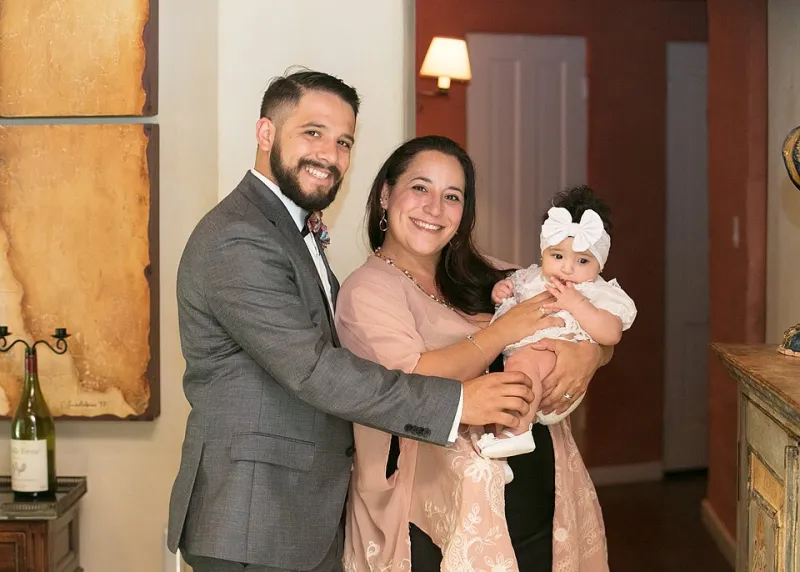
Photo: Bob n Renee, CC BY 2.0, via Wikimedia Commons
Child-free invitations are rarely about disliking children. In the five UK weddings I’ve watched closest over the past few years — a marquee in Suffolk, a village hall in Yorkshire, a register office do in Bristol, a pub garden in Kent and a barn in Powys — the guest list was the sharpest bit of the whole planning process. The couples who got it right weren’t the ones with the most elegant stationery. They were the ones who said what they meant, early, and gave people a graceful way to say no.
Start with the reason, not the rule
The couples who had the fewest rows explained the why before the what. ‘We’ve got 70 seats and a marquee with a stream at the bottom of the field’ landed better than ‘no children’. One bride wished she’d written: ‘We’re keeping the ceremony and meal to adults only because the venue is small and we want to be able to speak to everyone.’ That sentence does two jobs: it states the rule and shows you’ve thought about it.
What they’d burn: ‘Adults-only affair’. It sounds like a spa weekend, not a wedding. ‘Strictly no under-12s’ is arbitrary and invites arguments about mature 11-year-olds. ‘We love your little ones, but…’ can read as ‘we love them at a distance’. And ‘no children’ without clarifying babies caused the most trouble. One couple assumed a newborn would be exempt; a cousin turned up with a pram and a face like thunder. If you mean no babies, say no babies. Kindly, but clearly.
The phrases that caused the most friction
‘We’ve decided not to invite children’ is fine on its own, but it needs a second line: ‘We understand that might mean you can’t make it, and we’d rather you tell us honestly than spend the day stressed.’ That gives parents permission to decline without a dramatic phone call. The worst wording was vague: ‘We’d love a grown-up celebration’ left one guest convinced her teenagers were invited because they’re ‘quite mature’. They weren’t. She’d already bought outfits.
Another couple wished they’d been explicit about the evening. They wrote ‘adults only’ on the invitation, then panicked when relatives asked if they could bring the kids for the dancing. The venue allowed it, the couple didn’t really want it, and nobody knew where the line was. If you’re open to an evening-only compromise, say so in the same breath as the rule.
Evening-only can be a pressure valve — if you mean it
A lot of UK venues have a natural split: ceremony and wedding breakfast in the afternoon, evening guests from 7pm or 7.30pm. If children are welcome for the party but not the meal, write it plainly: ‘Children are welcome at the evening reception from 7.30pm, but the ceremony and wedding breakfast are adults only.’ Then think about the practical bits: stairs, ponds, late-night noise, whether the venue has a capacity limit for under-18s, and whether parents will actually be able to leave at 11pm. One couple offered evening-only invites and then spent the night counting toddlers near a fire pit. They wished they’d either embraced it properly or not offered it at all.
The calm script for pushback
There will be pushback. Aunty Carol will ask if her grandson can come ‘just for the photos’. A work friend will say she can’t get childcare and ask you to make an exception. The script that worked for the couples I spoke to was short and repeatable:
‘I totally understand — it’s a big ask. We’ve had to draw a line for everyone, and we can’t make exceptions without it becoming unfair to the people who’ve already sorted childcare. We’d love to see you if you can make it work, and we completely understand if you can’t.’
Do not negotiate on WhatsApp. Do not explain the seating plan in detail. Do not offer to pay for a babysitter unless you’re genuinely prepared to do it for everyone. One couple sent a polite email, then a follow-up two weeks before the RSVP deadline, and left it there. Another let a relative argue for forty minutes and ended up inviting two extra children they didn’t want. Guess which wedding felt calmer?
What to put on the invitation
Keep it short, warm and specific. Three versions that did the job:
- ‘We’re getting married! Please join us for an adults-only celebration. We’re sorry we can’t include children, but we hope you’ll still be able to raise a glass with us.’
- ‘Our wedding is for grown-ups only — including the ceremony and evening reception. We know that means some of you will need childcare, so please let us know by 1 May 2026 if you can join us.’
- ‘Children are welcome at the evening party from 7.30pm, but the ceremony and wedding breakfast are adults only.’
Put the same wording on your wedding website and in the FAQ. If you’re using an online RSVP, make the guest names explicit: ‘We’ve saved two seats for you.’ That avoids the dreaded ‘plus three?’ reply.
The bit nobody warns you about
A child-free wedding can save money on meals, but it can also cost you guests you really wanted there. One couple saved around £600 on children’s meals and lost two close friends who couldn’t arrange overnight childcare. They wished they’d budgeted for a babysitter contribution instead of assuming everyone could sort it. Another couple realised too late that their evening-only plan meant parents would need to drive home at midnight on narrow lanes. The invitation was clear; the logistics weren’t.
The couples who fared best treated child-free invitations as a practical note, not a moral judgement. They said it early, said it once, and didn’t apologise for a decision they’d made for their day. If someone can’t come, that’s sad — but it’s not a reason to redraw the guest list at the last minute. Clear wording is kinder than a vague invitation and a whispered rule.